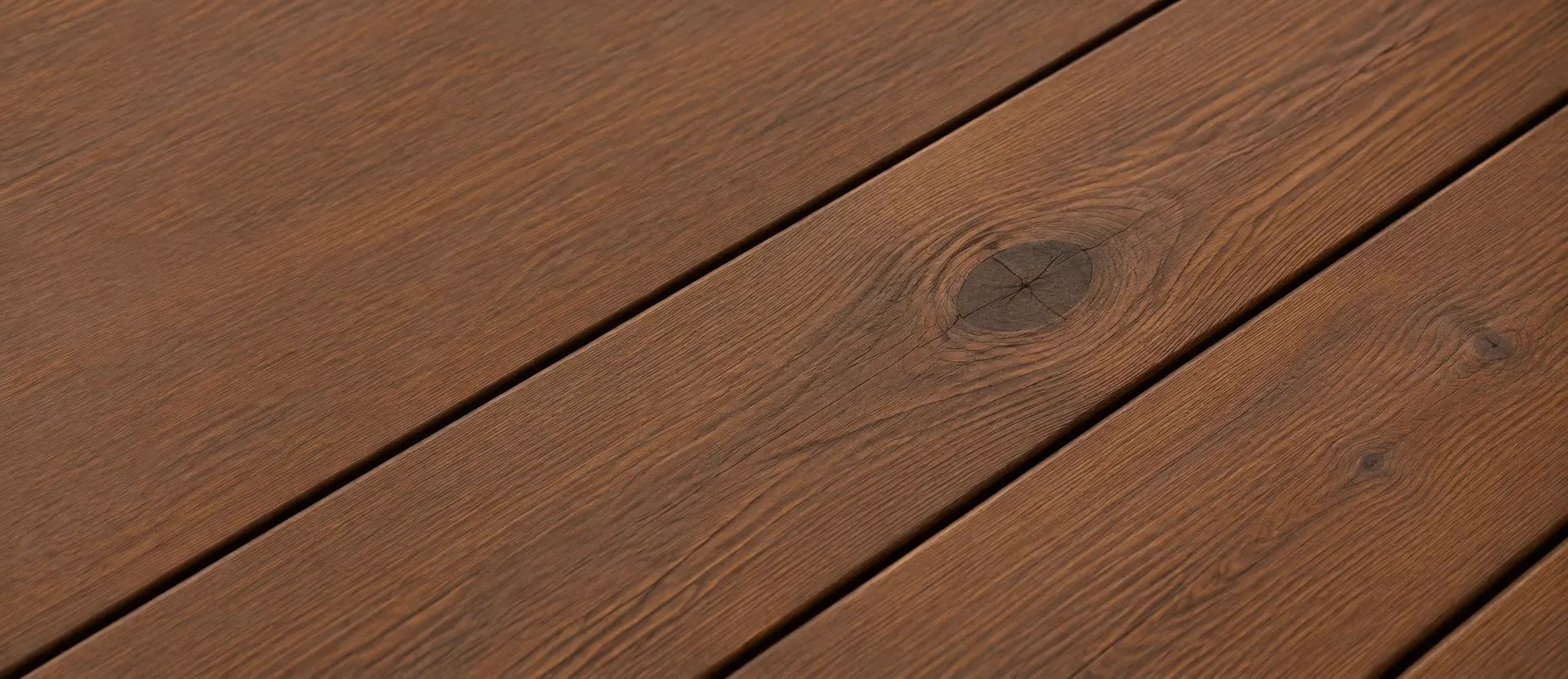
Deck Staining in Kirkland, WA
Deck staining in Kirkland should protect outdoor wood while giving you control over how much grain remains visible. RedHorse Painting evaluates your deck's species, existing stain, and exposure before recommending preparation and a compatible finish. Rain, shade, and sun affect different boards differently, so we check more than color fading. Our written scope explains cleaning, any needed finish removal, and the surfaces to be stained before the project moves forward.
Choose opacity around the wood you have
Transparent and semi-transparent stains show more natural variation, while solid-color stains conceal more of the grain. The appearance depends on the wood as well as the stain. New replacement boards can absorb differently from older boards, and darker previous color may remain visible through a lighter finish. We discuss those limits before you choose. A representative sample on prepared wood is more useful than assuming a small store swatch will match every board across the deck.
Prepare for absorption, not just appearance
Stain needs a receptive surface. Dirt, weathered fibers, leftover coating, and an incompatible previous product can interfere with penetration or bonding. Cleaning and any needed stripping or brightening follow the chosen system's directions, with thorough rinsing and adequate drying. In Kirkland's tree-covered yards, mildew and persistent dampness need attention before application. We also look at airflow and debris buildup. Staining helps manage weather exposure; it does not correct drainage problems or make deteriorated wood sound again.
What's included
- Review of wood species where identifiable, board condition, previous stain, and differences between shaded and sun-exposed parts of the deck.
- Discussion of transparent, semi-transparent, or solid-color options, including how existing pigment and replacement boards can affect the final appearance.
- Protection of nearby walls, glass, planting areas, and fixtures, with stairs, rails, and deck faces listed explicitly in the scope.
- Surface cleaning and preparation for the selected stain system, with stripping or brightening identified when the existing finish requires it.
- Readiness checks before application and stain worked into the wood as required by the product, avoiding excessive buildup or puddles.
- A finish review and product-specific guidance for furniture, foot traffic, and future cleaning, rather than a universal maintenance timetable.
Why choose RedHorse
Our process
- 01
Read the wood and existing finish
We inspect faded sections, dark spots, and places where water sits. We ask what was used previously and confirm whether the coating can be maintained or needs removal. This establishes a realistic starting point for stain selection.
- 02
Clean and restore a receptive surface
Suitable cleaners and preparation methods remove buildup without treating soft wood like concrete. Where the system requires a stripper or brightener, we follow its directions. Residue is rinsed away and the boards are given time to dry.
- 03
Confirm moisture and stain carefully
Application depends on wood readiness, temperature, and the forecast. We follow the specified coat count and spread rate, maintaining an even working edge. More stain is not automatically more protection; excess can leave an uneven or poorly curing finish.
- 04
Check consistency and explain care
We look for missed areas and excess product on the agreed surfaces. Natural grain and absorption differences remain part of the result. We explain when the product allows use and how to watch for wear in stairs and heavily traveled areas.
Common questions about deck staining
Should I choose oil-based or water-based deck stain?
Either may be appropriate, depending on the wood, existing coating, and manufacturer's instructions. Compatibility and preparation matter more than choosing by label alone. Consider opacity, cleanup requirements, and future recoating as well. We assess the existing finish before proposing a system rather than declaring one formula best for every deck.
Why does my cedar deck have black or green spots?
Surface growth, dirt, and wood discoloration can look similar. Mildew should be cleaned with an appropriate product before staining; simply darkening the stain does not address it. Persistent dampness may also require better airflow or drainage. Soft wood or deeper damage needs a separate assessment, not just a stronger cleaner.
Can a newly built deck be stained immediately?
Readiness depends on the wood's moisture, surface condition, and the stain instructions. New lumber may be too wet or have a surface that needs preparation. We do not apply a blanket waiting period to every deck. The right approach is to assess the actual boards and follow the selected product's requirements.
Can you make a dark stained deck lighter?
A lighter translucent finish will not reliably hide dark pigment already in the wood. Removal may improve the starting point, but some color can remain. A more opaque stain offers a different appearance and maintenance approach. We discuss realistic options instead of promising the deck will return to its original raw color.
How will I know the deck needs another coat?
Look for worn traffic paths, uneven fading, and areas losing protection, then check the product's maintenance guidance. Do not rely solely on a water-beading test or add stain over dirt. An assessment helps distinguish routine cleaning and recoating from a finish that needs removal. Exposure varies even within the same yard.
Areas served
Monroe · Everett · Lynnwood · Bothell · Kirkland · Bellevue · Sammamish · Issaquah · Shoreline · Seattle
Related services
Let's talk about your project
Get a free deck staining estimate
Tell us what you have in mind. You'll get a clear written scope before work begins.