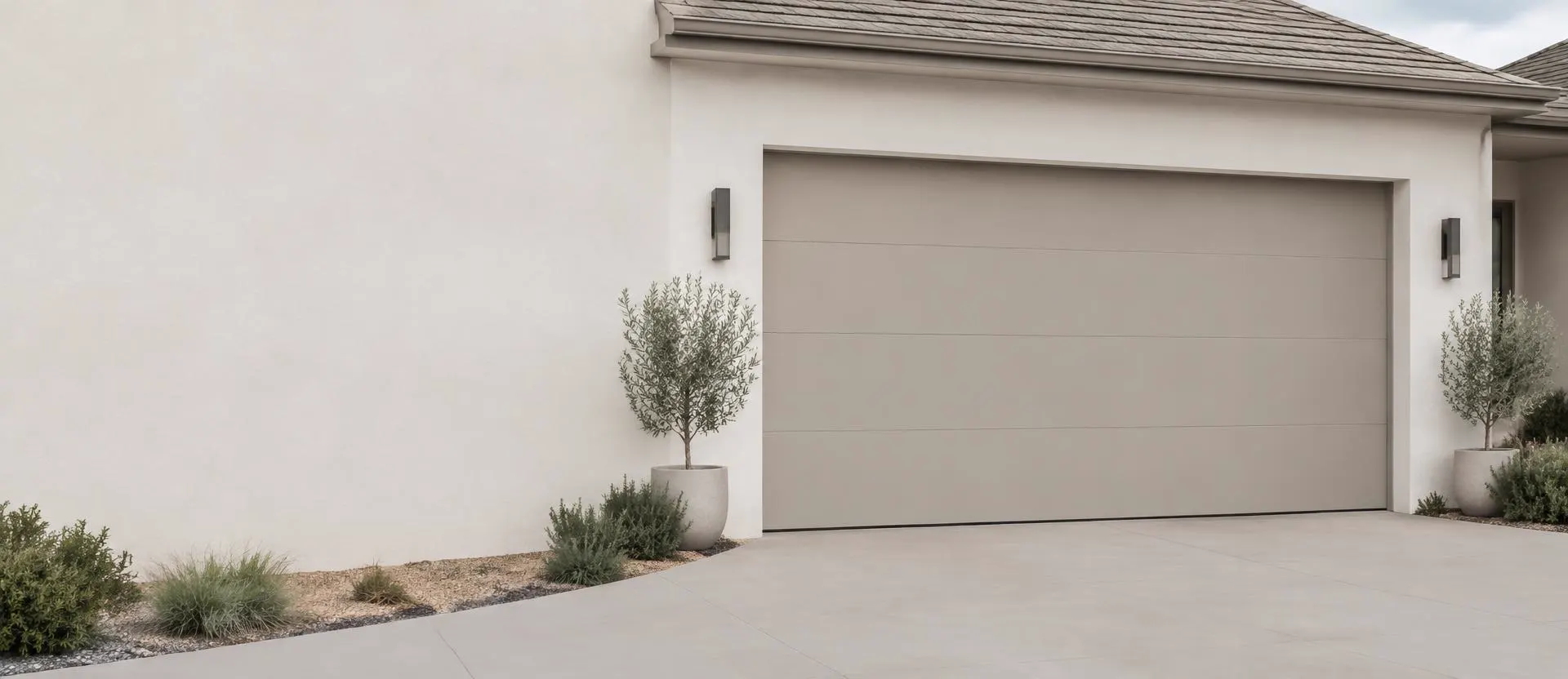
Garage Painting in Kirkland, WA
Garage painting in Kirkland can make a hardworking space brighter and easier to maintain, but walls, doors, and concrete need different plans. RedHorse Painting reviews the surfaces you want refreshed, checks old finishes and moisture concerns, and defines the preparation in writing. Whether you are updating a storage area or coordinating garage surfaces with your home, we focus on practical product choices and clear boundaries around repairs and any separate floor-coating work.
Separate wall painting from floor coatings
A garage repaint often centers on unfinished drywall, scuffed walls, a stained ceiling, and worn trim. Concrete flooring is not automatically part of that work. Vehicle tires, moisture vapor, and oil contamination create demands that ordinary wall paint cannot meet. If a floor is part of your plans, it needs a separate assessment and a system suited to the slab. We establish those boundaries early so a request to paint the garage does not become an unclear promise about every surface.
Plan around storage, doors, and damp conditions
Garages on the Eastside may be unheated and exposed to wet vehicles, condensation, and frequent door opening. Those conditions affect drying and product selection even when the work is indoors. Shelving and packed storage also limit access to walls and corners. We discuss what needs moving and which areas remain excluded. Recurring ceiling marks, damp lower drywall, or soft trim need investigation before repainting. A cleaner-looking garage should start with sound surfaces, not a coat concealing an unresolved leak.
What's included
- A surface-by-surface review of walls, ceilings, doors, and trim, with concrete floor coatings treated as a separate scope if requested.
- Planning for stored items, shelving, vehicles, and working access, including the areas that cannot be reached without moving belongings.
- Protection of floors, fixtures, door hardware, and other finishes, with moving parts and safety labels kept clear of paint.
- Cleaning of scuffs or residue and agreed drywall repairs, followed by sanding and preparation to reduce visible patch edges.
- Primer selected for bare drywall, sound stained areas, or compatible door materials, after the source of any moisture marks is addressed.
- Application of the agreed wall or door finish and a review of coverage, edges, ventilation, and product-specific return-to-use guidance.
Why choose RedHorse
Our process
- 01
Define the surfaces and access plan
We identify which walls, ceiling sections, doors, and trim need painting. You tell us how the garage is used and what can be relocated. Repairs, fixed shelving, and any floor-coating request are clarified before we put the scope in writing.
- 02
Prepare patches and existing finishes
The area is protected, surfaces are cleaned, and agreed repairs are prepared. We assess bare drywall and stained sections separately. Active dampness or a continuing leak must be addressed before primer is expected to control the appearance of the affected area.
- 03
Apply suitable primers and finishes
Products are chosen for the surface and garage conditions. Temperature and ventilation still matter indoors, particularly in an unheated space. Door coatings must suit the material, and application should not interfere with seals, hardware, or the door's operation.
- 04
Review and return the space to use
We inspect the painted areas with you and explain the product's drying and curing requirements. Replacing shelves or pressing stored items against fresh paint can require more time than light access. You also receive a clear account of any surfaces excluded from the job.
Common questions about garage painting
Can unfinished garage drywall be painted without primer?
Bare drywall and joint compound absorb differently, which can leave an uneven finish if the preparation is skipped. Suitable drywall primer helps create a consistent base. Repairs should also be sanded and dust removed. We assess the actual wall, including any existing coating, before selecting primer and the finish system.
Does garage painting include an epoxy floor?
No, not automatically. A floor coating needs its own written scope and assessment of the concrete, moisture, contamination, and existing finish. Mechanical preparation and a compatible system may be required. Ordinary wall paint is not a vehicle-floor solution. Tell us about the floor separately so suitability and scope can be discussed before work is approved.
Why should concrete moisture be checked before coating?
Moisture moving through a slab can affect adhesion and cause a floor coating to fail. A concrete surface can look dry while still having a moisture issue. Any proposed system should follow its manufacturer's testing and preparation requirements. Oil, sealers, and previous coatings also need assessment; a quick wash alone does not establish readiness.
Can the exterior garage door match the house trim?
Color coordination is possible, but compatibility comes first. Steel, wood, and other door materials can need different primers and finishes, and some door manufacturers restrict dark colors because of heat. We check the material and relevant instructions before agreeing to a coating. Hinges, tracks, seals, and operating components should not be painted indiscriminately.
Can you paint an unheated garage during wet weather?
Potentially, if the surface and air conditions meet the chosen product's requirements. Cold temperatures and damp air can slow drying, and condensation must not be trapped beneath a finish. We assess conditions inside the garage rather than treating all interior work as weather-independent. Scheduling follows readiness, safe ventilation, and the actual preparation needed.
Areas served
Monroe · Everett · Lynnwood · Bothell · Kirkland · Bellevue · Sammamish · Issaquah · Shoreline · Seattle
Related services
Let's talk about your project
Get a free garage painting estimate
Tell us what you have in mind. You'll get a clear written scope before work begins.