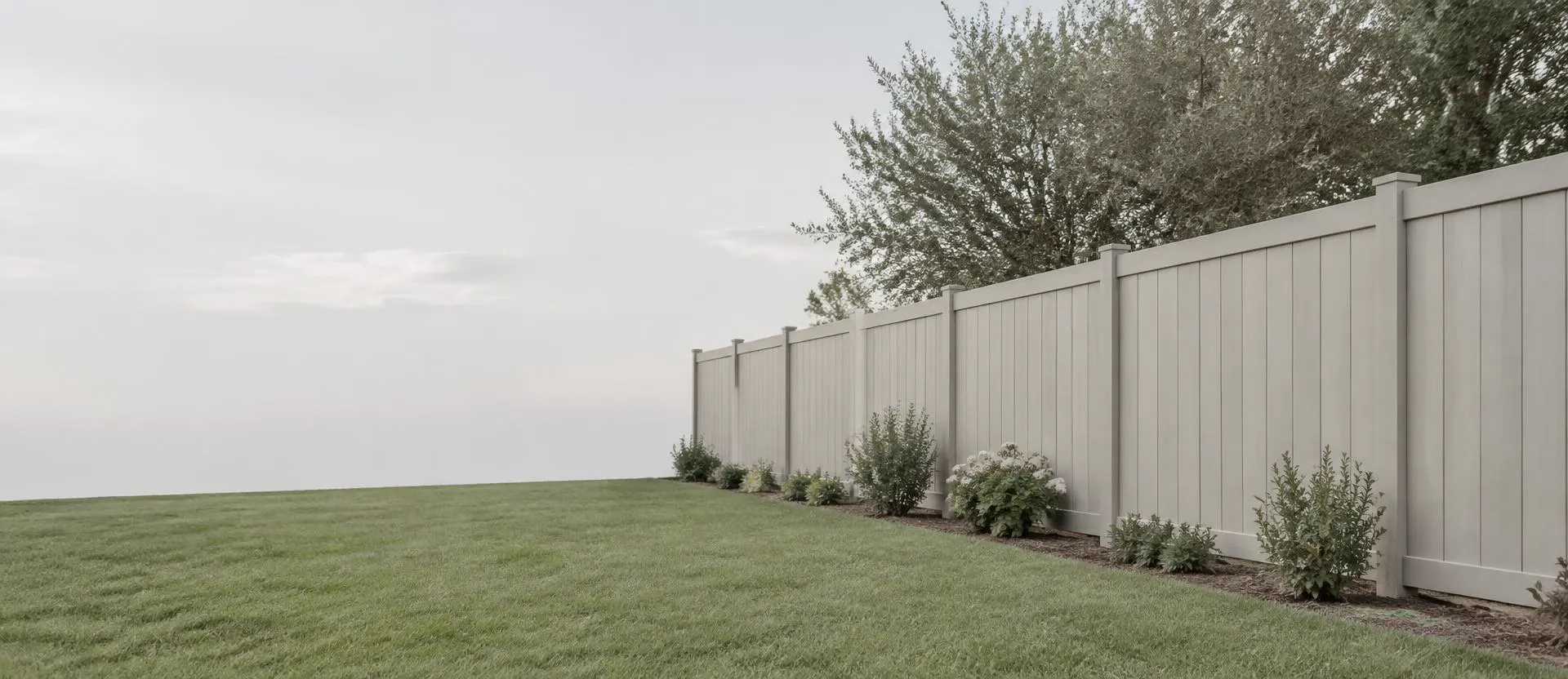
Fence Painting in Kirkland, WA
Fence painting in Kirkland brings consistent color to weathered panels, posts, and gates while helping protect sound wood from exposure. RedHorse Painting reviews both the fence condition and the access needed to prepare it properly. We discuss which faces are included, how nearby plants will be protected, and whether the old coating can be repainted. Your project starts with a clear scope, not an assumption that every fence needs the same treatment.
Define the fence, not just the color
A fence is a collection of faces, edges, caps, posts, and moving parts. A quote that only mentions length can leave important details unclear. We identify the sections to paint and discuss the visible back face, lattice, and gates where present. Boundary fences also need an access plan: confirm permission before work requires entry from a neighbor's property. Branches, stored items, and narrow spaces can affect how thoroughly the wood can be prepared and coated.
Pay attention to ground-level moisture
Fence bottoms near wet soil and sprinklers may deteriorate differently from upper rails. Dense shrubs can hold shade and moisture against one face even when the other dries quickly. We look for loose boards, failed caps, and soft posts before choosing preparation. Paint will not fix a leaning fence or decay below the surface. For Eastside yards, keeping vegetation clear and reducing repeated wetting are useful parts of caring for a painted fence after the work is complete.
What's included
- Inspection of the existing finish, panels, rails, posts, and gates, with repair concerns identified before cosmetic work is approved.
- A written list of sections and faces to be painted, including any lattice, post caps, and details that require separate attention.
- Planning for neighbor-side access and protection of nearby siding, paving, landscaping, and hardware that should remain unpainted.
- Cleaning of dirt and surface mildew using methods suitable for fence wood, followed by a drying assessment before coating begins.
- Scraping of loose paint, sanding of rough coating edges, and primer where the prepared wood and chosen system require it.
- Application of the agreed exterior wood finish and a check of coverage around accessible edges, gate faces, and other scoped details.
Why choose RedHorse
Our process
- 01
Map the sections and access
We walk the fence line, review its condition, and confirm which surfaces belong in the job. Gate use and access from each side are discussed early. You can see what the estimate covers before choosing a finish color.
- 02
Protect the yard and prepare boards
Nearby finishes and plants are protected. We clean buildup and remove failing paint without assuming aggressive pressure is safe for weathered cedar. Repair needs are addressed or flagged before any finish could hide the affected area.
- 03
Coat dry, sound fence surfaces
We choose application conditions around the product's limits and actual wood moisture. Required primer and paint follow the agreed system. Rail edges, caps, and gate details are treated according to their material and the written scope.
- 04
Review details and reopen access
We check the fence with you, including visible edges and areas near hardware. Guidance on gate handling and keeping plants off the finish follows the product's cure requirements. The final review also confirms the agreed sections were completed.
Common questions about fence painting
Can you paint only my side of a shared fence?
Yes, the scope can identify one accessible face. Confirm ownership and any neighbor or association requirements before choosing work on a boundary fence. One-sided painting does not protect every surface, and moisture from the untreated side can still affect the boards. We discuss those limitations when planning the project.
Is paint or stain better for a cedar privacy fence?
Paint creates an opaque appearance; stain may retain more grain depending on its opacity. Existing paint can limit the options because penetrating stain needs access to the wood. Board condition, desired color, and future maintenance also matter. We assess those factors instead of recommending a finish based only on cedar as a material.
What should I do about mildew behind shrubs?
Clean the affected surfaces with a suitable method before recoating and reduce the conditions that keep them damp. Clearing plants away from the boards can improve access and airflow. A mildew-resistant finish is not a cure for constant moisture or a substitute for cleaning. Repeated growth deserves attention to the surrounding yard.
Do rusty gate hinges and latches get painted too?
Hardware is not automatically part of a wood-painting scope. We identify what will be protected, removed if agreed, or separately prepared. Metal requires a compatible preparation and coating approach, and paint should not impair a latch. Tell us if you want hardware refinishing so it can be considered explicitly.
Can old fence paint be scraped without checking its age?
Age and coating history matter before disturbing old paint, particularly around pre-1978 properties. Existing coatings may contain lead, and preparation must account for that risk. Do not start dry scraping or washing loose paint into soil without assessing it. We raise the issue before agreeing on a removal method.
Areas served
Monroe · Everett · Lynnwood · Bothell · Kirkland · Bellevue · Sammamish · Issaquah · Shoreline · Seattle
Related services
Let's talk about your project
Get a free fence painting estimate
Tell us what you have in mind. You'll get a clear written scope before work begins.