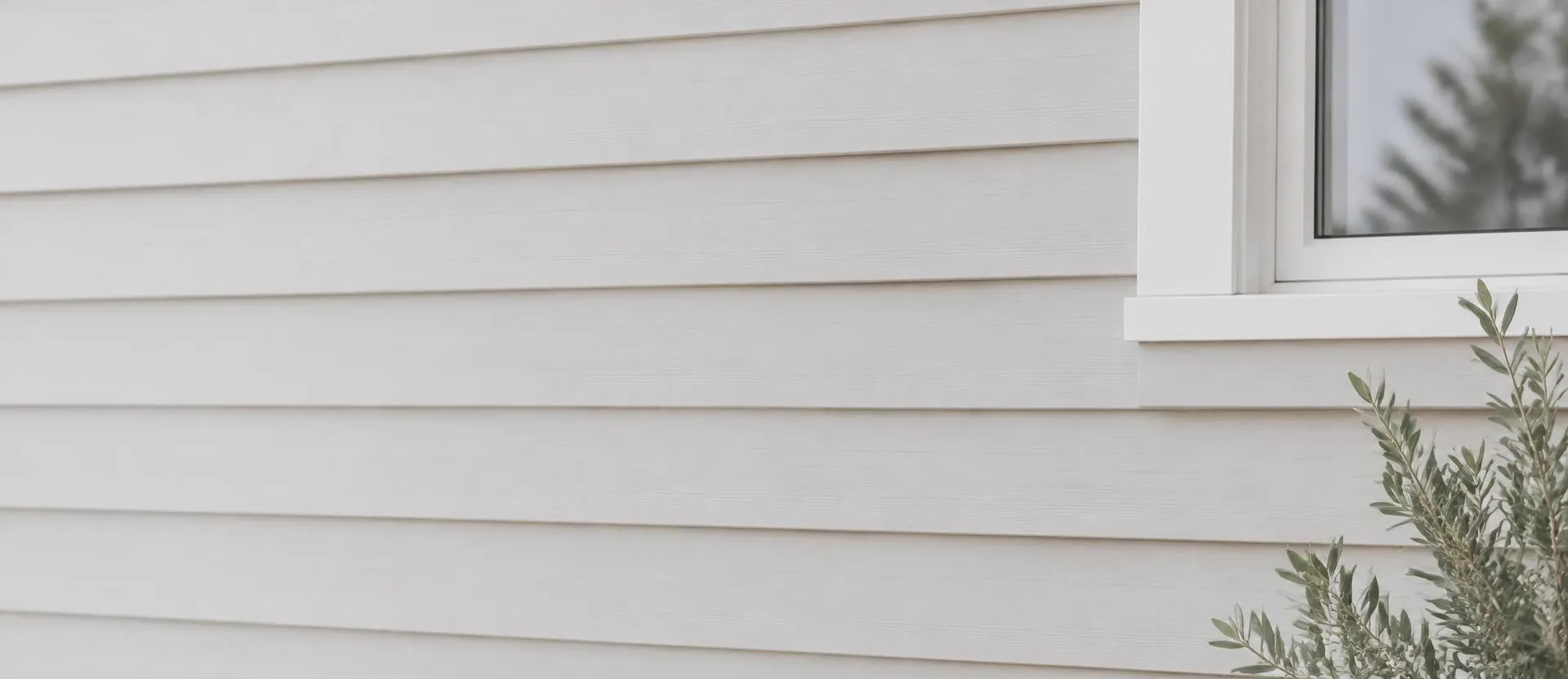
Siding Painting in Kirkland, WA
Siding painting in Kirkland requires preparation that respects the material underneath the color. Cedar, older painted wood, and fiber cement can have different cleaning and priming needs. RedHorse Painting checks the existing coating, exposed edges, and signs of recurring moisture before planning your repaint. We help you choose a compatible exterior finish and define which walls, trim, and details are included, so the work addresses surface condition as well as curb appeal.
Match the coating to the siding
The name of the material is only the starting point. Factory finishes, older field-applied coatings, and exposed repairs can respond differently to preparation. Cedar may need a primer that controls tannin staining; fiber cement requires attention to the manufacturer's coating instructions. Vinyl is a separate case, where color and heat absorption must be considered before any repaint is approved. We do not assume a leftover exterior paint is compatible with every wall just because the shade is right.
Investigate repeat peeling before repainting
Peeling near windows, lower board edges, or shaded walls may be linked to water entry, damp wood, or failed preparation. The same spot failing again is a reason to inspect more closely. Paint is not a substitute for sound flashing, drainage, or necessary repairs. In Kirkland and the Eastside, we plan around surfaces that dry at different speeds and flag concerns that must be resolved before coating. That keeps the repaint focused on a sound base rather than concealing symptoms.
What's included
- Identification of siding materials and existing finishes, with an assessment of peeling, chalking, bare areas, and visible moisture concerns.
- A written wall-by-wall scope that distinguishes siding from trim, soffits, gutters, doors, and other surfaces that are not automatically included.
- Protection for windows, lights, nearby plants, and adjacent finishes, with access and application methods planned around the property.
- Appropriate cleaning and removal of surface growth, followed by loose-coating removal and sanding where the material permits it.
- Preparation of sound repairs, compatible primer on required areas, and selective sealing of suitable joints without blocking intended drainage openings.
- Application of the selected exterior finish within its weather limits, followed by a review of coverage, edges, and scoped siding details.
Why choose RedHorse
Our process
- 01
Diagnose material and coating failure
We review each elevation, identify the siding, and discuss where paint has failed before. Areas needing repair or further moisture investigation are separated from routine prep. We also ask about the property's age before planning disturbance of older coatings.
- 02
Clean, prepare, and protect openings
Cleaning is matched to the wall rather than using maximum pressure. We prepare loose coating and sound repair areas, protecting nearby surfaces. Joint treatment follows the siding requirements; drainage paths are not sealed just to make every gap disappear.
- 03
Prime and paint in suitable conditions
We check readiness and the weather forecast, then apply the agreed primer and finish system. Temperature, dew, and rain exposure affect application. Attention to board edges and transitions is part of the scope, not an afterthought at the end.
- 04
Inspect each elevation together
We review the painted surfaces and details with you. The discussion includes remaining non-painting concerns and product-specific care. A consistent finish matters, but so does understanding which maintenance issues can allow moisture to affect the siding again.
Common questions about siding painting
Why do brown stains show through painted cedar?
Cedar tannins can migrate through some coatings, especially when moisture is involved. A suitable stain-blocking primer may be needed on affected or bare areas. Painting over the mark alone can let it return. We evaluate the source and select primer as part of a compatible system rather than adding random extra finish coats.
Should every gap in siding be caulked?
No. Some gaps and openings let water drain or allow the assembly to function as designed. Sealing them can trap moisture. Other joints may need compatible sealant, depending on the material and installation. We follow the relevant siding requirements and distinguish appropriate sealing from filling every visible line.
Can fiber cement siding be repainted?
Often yes, when it is sound and prepared according to its manufacturer's guidance. The existing coating, exposed repairs, and surface contamination affect the preparation and primer needs. Damaged boards or installation problems must be addressed separately. A repaint should work with the siding system rather than override its care instructions.
Can I choose a much darker color for vinyl siding?
Not without checking the siding and coating manufacturers' restrictions. Darker colors can increase heat absorption and may create distortion risks on unsuitable vinyl. Some approved systems offer specific compatible colors, but that is not permission to use any dark paint. We confirm suitability before agreeing to a vinyl repaint.
When is siding dry enough after washing or rain?
It depends on the substrate, exposure, weather, and chosen coating's moisture requirements. Shaded wood may stay damp after a sunny wall feels dry. We assess actual readiness instead of promising application a set number of hours after washing. Rain and overnight condensation can change conditions again before painting starts.
Areas served
Monroe · Everett · Lynnwood · Bothell · Kirkland · Bellevue · Sammamish · Issaquah · Shoreline · Seattle
Related services
Let's talk about your project
Get a free siding painting estimate
Tell us what you have in mind. You'll get a clear written scope before work begins.